Dear Passengers gameplay starts before takeoff with a risky passenger-and-cargo manifest, then splits the crew between flying the aircraft and keeping the cabin under control. This page follows that full loop and brings the pilot, service, cargo, and emergency jobs into one practical guide.
First-person flight Solo + online co-opPhysics-driven cabin
What the pilot sees is only half of the flight.
Five linked jobs
The Dear Passengers gameplay loop, from manifest to landing
Each step hands a new problem to the next member of the crew.
01
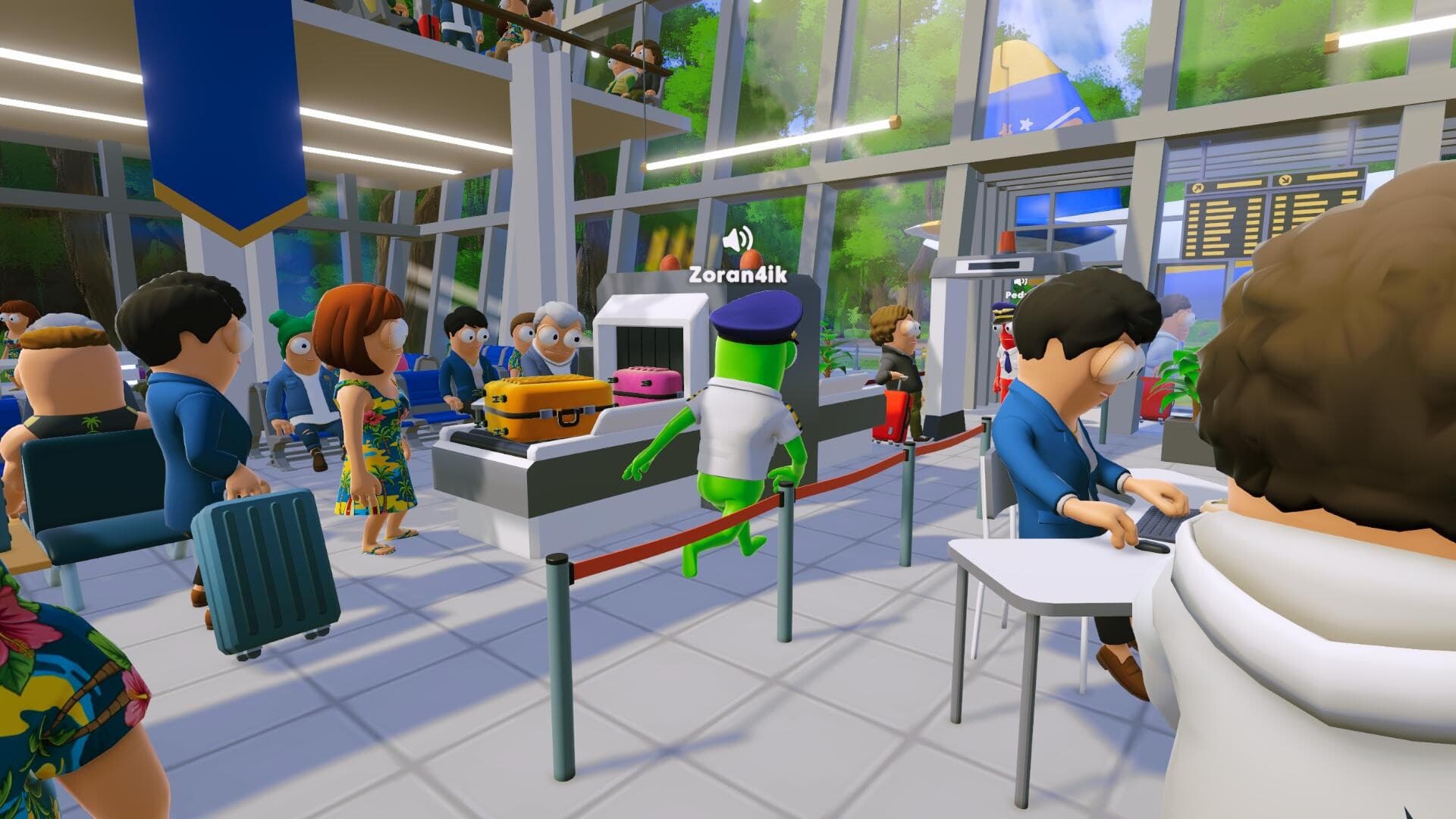
At the terminal
Build the manifest
Choose passengers and cargo, weighing a better payout against a more difficult trip.
02
Before departure
Split the crew
Put one player in the cockpit and decide who will cover service, cargo, and fast-moving emergencies.
03
In the air
Keep routine work moving
Fly the route, serve the cabin, watch the aisle, and secure anything that should not become airborne.
04
When trouble starts
Change priorities
Weather, passengers, loose objects, or damage can force the crew to abandon the original plan.
05
At the destination
Deliver what is left
The goal is simple: land with the passengers and cargo preferably still in one piece.
Pick your trouble
The first gameplay decision happens on the ground
The manifest is where the crew chooses how ambitious—or reckless—the next flight should be.
Passengers
Different travelers can add service needs or unexpected cabin trouble. A complete passenger trait list has not been published.
Cargo
Risky and illegal cargo is part of the game's comedy. Exact item categories, values, and handling rules are still unknown.
Payout
Harder manifests promise better money, giving the crew a reason to accept a flight that already looks like a bad idea.
Who does what?
Crew jobs work better as assignments than rigid classes
The pilot and cabin crew are visible parts of the game. Cargo watch, cockpit support, and emergency response are useful ways for players to divide the remaining workload; FLEXUS has not presented them as locked character classes.
Role or assignmentMain responsibilitiesHow it appearsCo-op fit
Pilot
Fly the aircraft and react to weather, turbulence, and air pockets.
Shown roleBest kept focused
Cockpit support
Watch instruments, relay warnings, or help when cockpit work piles up.
Possible assignmentCrew choice
Cabin service
Serve food and drinks, watch passengers, and keep the aisle usable.
Shown roleStrong fit
Cargo watch
Secure luggage and risky freight before the next rough movement.
Practical assignmentStrong fit
Emergency response
Drop routine work and deal with the most urgent cabin problem.
Practical assignmentFlexible
One aircraft, two work zones
The cockpit makes decisions; the cabin absorbs them
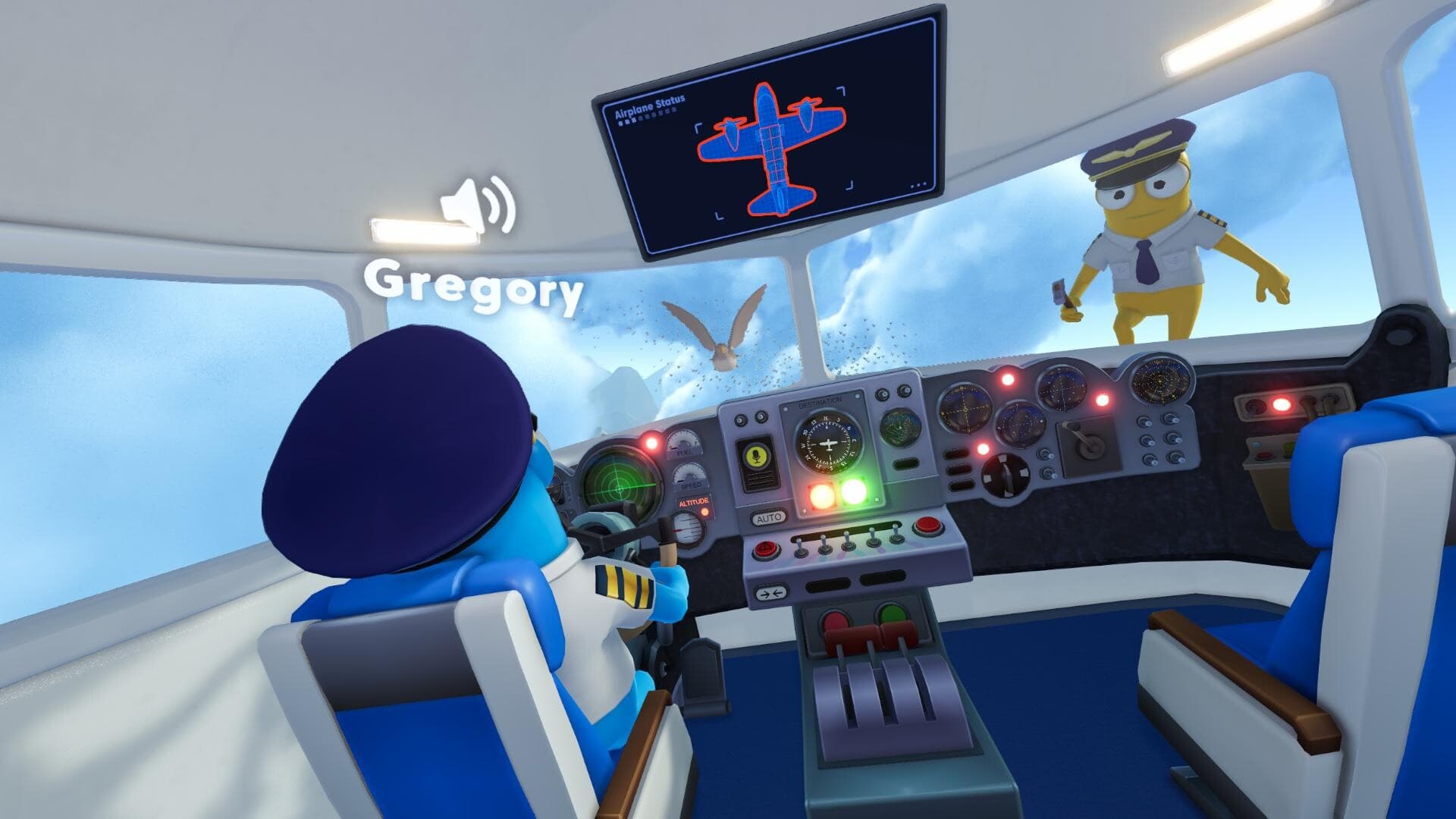
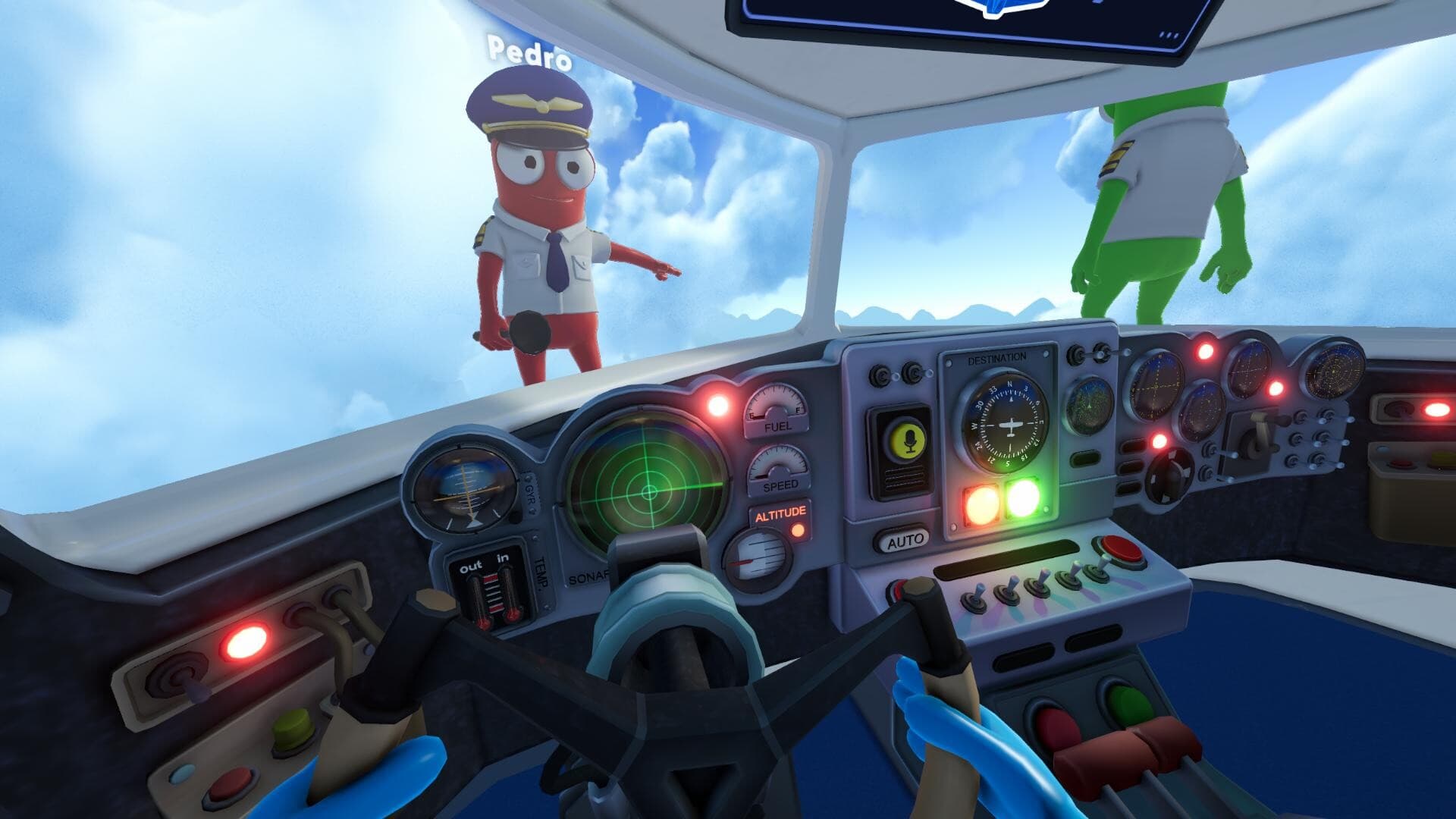
Zone A · Cockpit
Fly and warn the crew
The pilot works with first-person controls and instruments while reacting to changing conditions. The final control depth, navigation model, landing sequence, and number of interactive switches are not explained yet.
Keep the aircraft on course
Call out turns and rough air
Give cabin crew time to secure loose objects
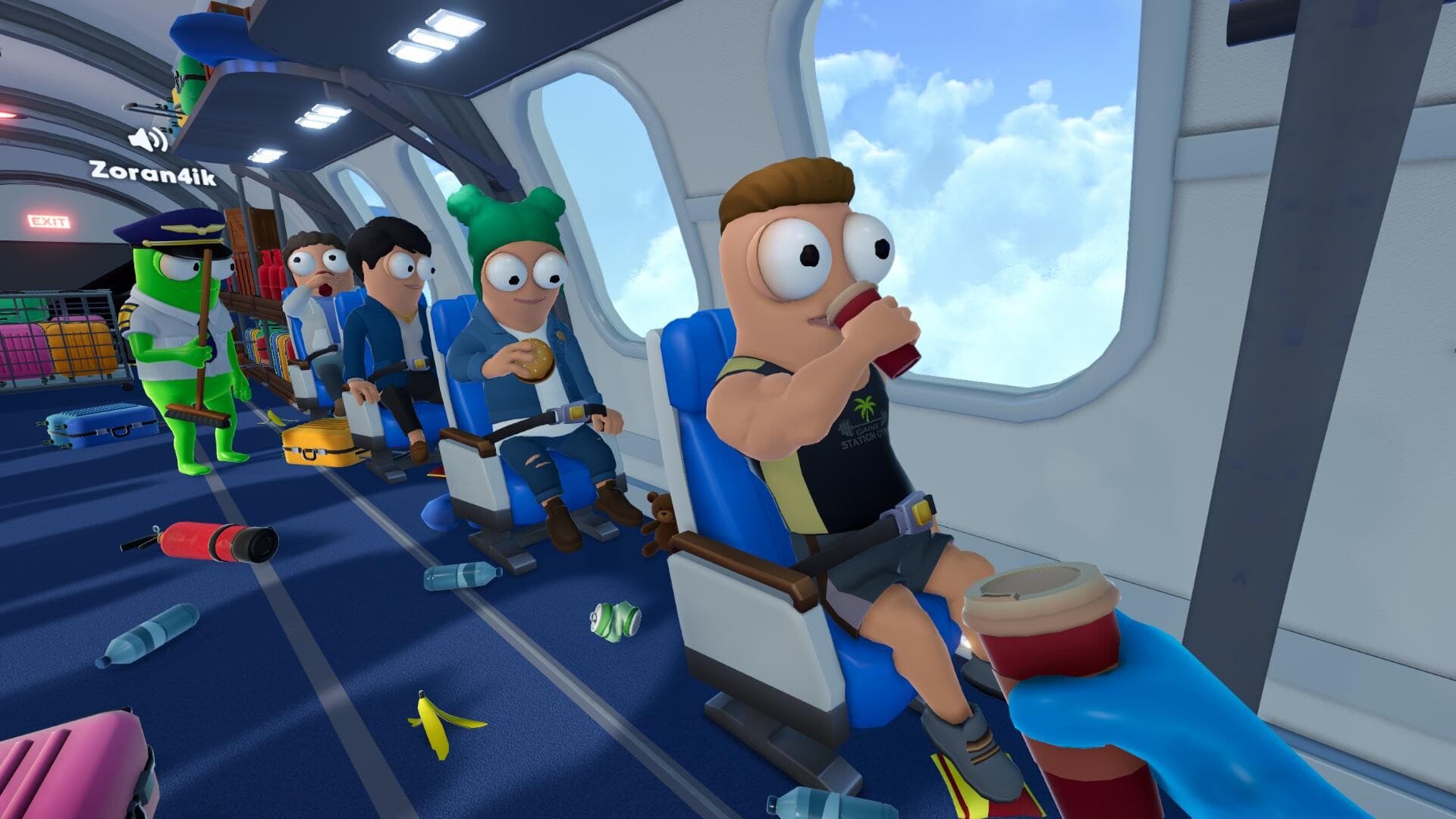
Zone B · Cabin
Serve, secure, and improvise
The rest of the crew moves through a narrow physical space full of passengers, seats, food, drinks, baggage, and cargo. Routine service competes directly with damage control and whatever the travelers decide to do next.
Keep passengers served
Protect the aisle and cargo
Respond when a small mess becomes the main problem
The cabin remembers every bad turn
Weather is a team problem, not a background effect
Turbulence and air pockets can rearrange the room while the crew is still working in it.
01
The pilot meets the weather first
Flight conditions change what the cockpit must do and how much warning the cabin receives.
02
Loose objects start moving
Food, luggage, cargo, and other cabin objects can become obstacles when physics takes over.
03
Passengers create a second problem
The crew may need to protect or manage travelers at the same time as cleaning up the first mess.
04
Priorities change mid-task
A service run can turn into cargo recovery or emergency response before the original job is finished.
Already part of the flight plan
Passenger and cargo selection
Piloting and cabin service
Physics-driven passengers and objects
Dynamic weather, turbulence, and air pockets
Single-player and online co-op
Details still missing from the manual
Full item and passenger catalog
Locked classes or free role switching
Mission length and route structure
Progression, upgrades, and scoring
Final failure and difficulty options
Gameplay questions
Dear Passengers gameplay questions before takeoff
01
What do you do in Dear Passengers?
You choose passengers and cargo, split the crew between cockpit and cabin work, serve travelers, protect freight, and react when weather or onboard trouble disrupts the flight.
02
Can everyone choose the same job?
FLEXUS has not described a locked class system. The footage looks flexible, but the final role-selection rules have not been explained.
03
Does Dear Passengers use physics?
Yes. Passengers, cargo, and loose cabin objects are affected by the aircraft's movement, turbulence, and air pockets.
04
Is the full progression system known?
No. Routes, upgrades, scoring, mission length, and the final failure rules still need a longer gameplay reveal or public build.